Skip to content

Dental Botox & Dermal Fillers in Aldershot, Burlington

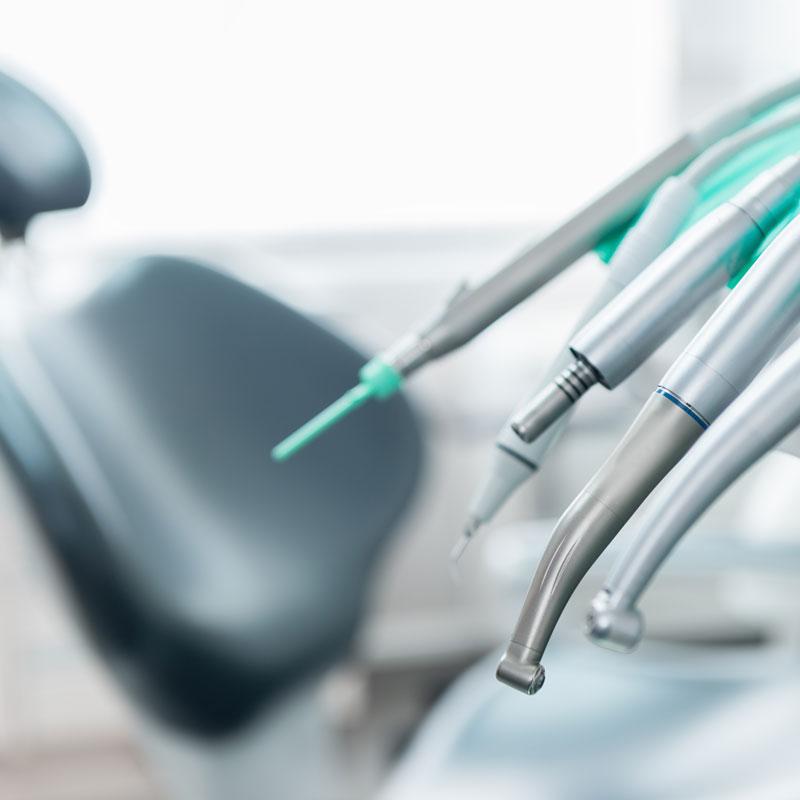
Dental instruments beside the treatment chair

Dental Botox and dermal fillers may complement certain dental treatments by addressing specific concerns involving the mouth, jaw muscles, and oral-facial area.

At Aldershot Village Dental, treatment begins with a comprehensive assessment of your symptoms, oral health, medical history, and treatment goals. If an injectable treatment is clinically appropriate and falls within the authorized scope of dental practice, your dentist will explain the expected benefits, limitations, alternatives, and possible risks before proceeding.

In Ontario, dentists may administer botulinum toxin and dermal fillers only for procedures within the scope of dentistry. Appropriately trained dentists may provide extra-oral botulinum toxin injections for therapeutic dental purposes, but Ontario dentists are not authorized to provide extra-oral Botox or dermal filler injections solely for cosmetic purposes.

What Is Dental Botox?

Botox is a brand name for a prescription medication containing botulinum toxin. When injected into carefully selected muscles, botulinum toxin temporarily reduces targeted muscle activity.

Within dentistry, therapeutic botulinum toxin may be considered as part of a broader treatment plan for certain muscle-related oral-facial conditions. It is not a substitute for a proper diagnosis or for conservative treatments that may be more appropriate.

Depending on the diagnosis and individual circumstances, therapeutic dental Botox may be considered for concerns such as:

  • Jaw muscle overactivity
  • Certain temporomandibular disorders
  • Muscle-related jaw discomfort
  • Myalgia involving the oral-facial area
  • Myospasm or excessive muscle activity
  • Clenching-related muscle tension
  • Other diagnosed oral-facial conditions within the scope of dentistry

Botulinum toxin is not appropriate for every temporomandibular disorder or every person who clenches or grinds their teeth. A clinical examination is required to identify the source of the symptoms and determine whether another treatment should be considered first.
What Are Dermal Fillers in Dentistry?

Dermal fillers are injectable materials used to add temporary volume and support to selected soft tissues. In dental practice, their use must remain within the authorized oral-facial scope of dentistry.

When appropriate, fillers may be used intra-orally for therapeutic or cosmetic dental purposes. Treatment recommendations must be based on an individual assessment, the area being treated, the patient’s medical history, and the dentist’s training and competence.

The type of filler, amount used, expected duration, risks, and suitability vary from person to person. Your dentist will explain whether filler treatment falls within dental scope and is appropriate for your goals.

Therapeutic Dental Botox for Jaw Muscle Concerns

The temporomandibular joints connect the lower jaw to the skull. Jaw discomfort can also involve the chewing muscles, bite, teeth, supporting tissues, or a combination of factors.

In selected cases involving excessive muscle activity, therapeutic botulinum toxin may help reduce targeted muscle contractions. However, it is usually considered only after a diagnosis has been made and other appropriate treatment options have been reviewed.

A dental assessment may include an evaluation of:

  1. The pattern and location of your symptoms
  2. Jaw movement and range of motion
  3. Tenderness in the chewing muscles
  4. Joint sounds such as clicking or popping
  5. Signs of tooth wear or damage
  6. History of clenching or grinding
  7. Existing dental restorations
  8. Bite relationships
  9. Previous treatments and their outcomes
  10. Relevant medical conditions and medications

Ontario guidance recognizes that dentists providing extra-oral botulinum toxin for therapeutic oral-facial conditions require appropriate, more extensive training because the medication can cause serious adverse reactions.

Botox for Teeth Grinding and Jaw Clenching

Bruxism is a term used for grinding or clenching the teeth. It may occur while awake, during sleep, or in both situations.

Possible signs associated with bruxism include:

  • Worn, chipped, or cracked teeth
  • Tired or tender jaw muscles
  • Morning jaw tightness
  • Damage to fillings, crowns, or other restorations
  • Tooth sensitivity
  • Changes in the way the teeth meet
  • Muscle-related facial discomfort

Botulinum toxin may be considered when excessive jaw-muscle activity is contributing to the problem. However, it does not address every possible cause of bruxism and does not prevent the teeth from contacting one another.

Depending on your diagnosis, your dentist may first recommend or discuss:

  • A custom night guard or oral appliance
  • Changes to daytime clenching habits
  • Physiotherapy
  • Jaw exercises
  • Stress-management strategies
  • Modification of contributing behaviours
  • Treatment of damaged teeth
  • Referral to another regulated health professional

A diagnosis-based approach helps avoid treating symptoms without addressing factors that may be contributing to them.

Potential Benefits of Therapeutic Dental Botox

When botulinum toxin is clinically appropriate, possible benefits may include:

  1. Temporarily reducing excessive activity in selected jaw muscles
  2. Decreasing muscle-related tension
  3. Supporting a broader plan for managing certain oral-facial conditions
  4. Reducing strain on teeth and restorations caused by excessive muscle activity
  5. Offering another option when conservative treatment has not provided sufficient relief

Results vary, and no specific outcome can be guaranteed. The effect of botulinum toxin is temporary, and repeat treatment may be required if continued care is recommended.

What to Expect During Your Consultation

Before recommending dental Botox or dermal fillers, your dentist will complete an assessment to determine whether treatment is appropriate and within the scope of dental care.

  1. 1.

    Review of Your Concerns

    Your dentist will ask about your symptoms, treatment goals, previous care, and how the concern affects your daily activities.

  2. 2.

    Medical and Dental History

    You will be asked about medical conditions, allergies, medications, previous injectable treatments, pregnancy or breastfeeding, and other factors that could affect treatment safety.

  3. 3.

    Clinical Examination

    The examination may include your teeth, gums, bite, jaw joints, chewing muscles, and range of jaw movement. Dental imaging or other diagnostic records may be recommended when clinically necessary.

  4. 4.

    Diagnosis and Treatment Planning

    Your dentist will explain the likely cause of your symptoms and discuss appropriate options. Conservative treatment may be recommended before injectable therapy.

  5. 5.

    Informed Consent

    If treatment is appropriate, you will receive information about the proposed injection sites, expected effects, limitations, alternatives, aftercare, cost, and possible complications.

What Happens During Dental Botox Treatment?

The process generally involves the following steps:

  1. 1

    The dentist confirms the treatment plan and obtains informed consent.

  2. 2

    The treatment area is examined and the injection points are identified.

  3. 3

    The medication is administered into selected muscles using a fine needle.

  4. 4

    You receive instructions about what to do and avoid following treatment.

  5. 5

    A follow-up appointment may be recommended to evaluate your response.

The number of injections and amount of medication depend on the condition being treated, the muscles involved, and the dentist’s clinical judgment.

How Long Does Dental Botox Last?

Botulinum toxin does not produce permanent changes. The timing and duration of its effects vary based on:

  • The condition being treated
  • The muscles involved
  • The amount of medication administered
  • Individual metabolism
  • Previous treatment history
  • Muscle strength and activity
  • Adherence to aftercare recommendations

Your dentist can provide more individualized expectations after completing an examination. Repeat treatment should be based on clinical need rather than a fixed schedule.

Is Dental Botox Safe?

Botulinum toxin has established therapeutic uses, but every medical and dental procedure carries risks. Appropriate diagnosis, case selection, dosing, injection technique, and follow-up are important.

Possible temporary effects may include:

  • Tenderness, redness, swelling, or bruising at the injection site
  • Headache
  • Temporary muscle weakness
  • Changes in chewing strength
  • Facial asymmetry
  • Difficulty opening or moving the jaw normally
  • Less commonly, unintended effects on nearby muscles

Rare but serious reactions can occur. Seek urgent medical attention if you experience difficulty breathing, swallowing, or speaking, or signs of an allergic reaction.

The Royal College of Dental Surgeons of Ontario expects dentists who provide botulinum toxin or fillers to complete education covering pharmacology, anatomy, indications, contraindications, adverse reactions, emergency management, and hands-on clinical training.

Who May Not Be a Candidate?

Dental Botox or dermal filler treatment may not be appropriate for everyone. Additional assessment may be required if you:

  • Are pregnant or breastfeeding
  • Have an infection near the proposed injection site
  • Have certain neuromuscular conditions
  • Have known allergies to ingredients in the proposed product
  • Take medications that may interact with the treatment
  • Have a history of complications from injectable treatments
  • Have unrealistic expectations about the outcome
  • Have symptoms requiring medical assessment or specialist care

Always provide a complete and accurate medical history before receiving injectable treatment.

Dental Botox Compared with a Night Guard

Dental Botox and a night guard serve different purposes.

A custom night guard creates a protective barrier between the teeth. It may help reduce damage caused by nighttime grinding or clenching, but it does not directly reduce muscle activity.

Therapeutic botulinum toxin temporarily reduces activity in selected muscles. It does not physically protect the tooth surfaces and may not address the underlying cause of bruxism.

Some patients may benefit from an oral appliance, injectable treatment, behavioural changes, physiotherapy, or a combination of approaches. Your dentist will recommend treatment based on the diagnosis rather than symptoms alone.

Dental Botox Compared with Dermal Fillers

Botulinum toxin and dermal fillers work differently.

Botulinum Toxin

Botulinum toxin temporarily reduces activity in specifically targeted muscles. Within an Ontario dental practice, extra-oral use must be for an appropriate therapeutic purpose within the scope of dentistry.

Dermal Fillers

Dermal fillers add temporary volume or structural support to selected soft tissues. Within dental practice, their use must follow Ontario’s permitted intra-oral scope and be provided by a dentist with appropriate training and competence.

Neither treatment is permanent. The appropriate option depends on the concern being addressed, the treatment area, your health history, and the authorized scope of dental practice.

Aftercare Following Injectable Treatment

Your dentist will provide instructions based on the product and treatment area. General guidance may include:

  • Avoid rubbing or applying unnecessary pressure to the treated area
  • Follow activity restrictions provided by your dentist
  • Avoid manipulating the injection sites
  • Take only medications approved by your healthcare provider
  • Monitor the area for unexpected swelling, pain, or other changes
  • Attend any recommended follow-up appointment
  • Contact the dental office if you have concerns

Follow the personalized instructions provided by your treating dentist, as aftercare can vary.

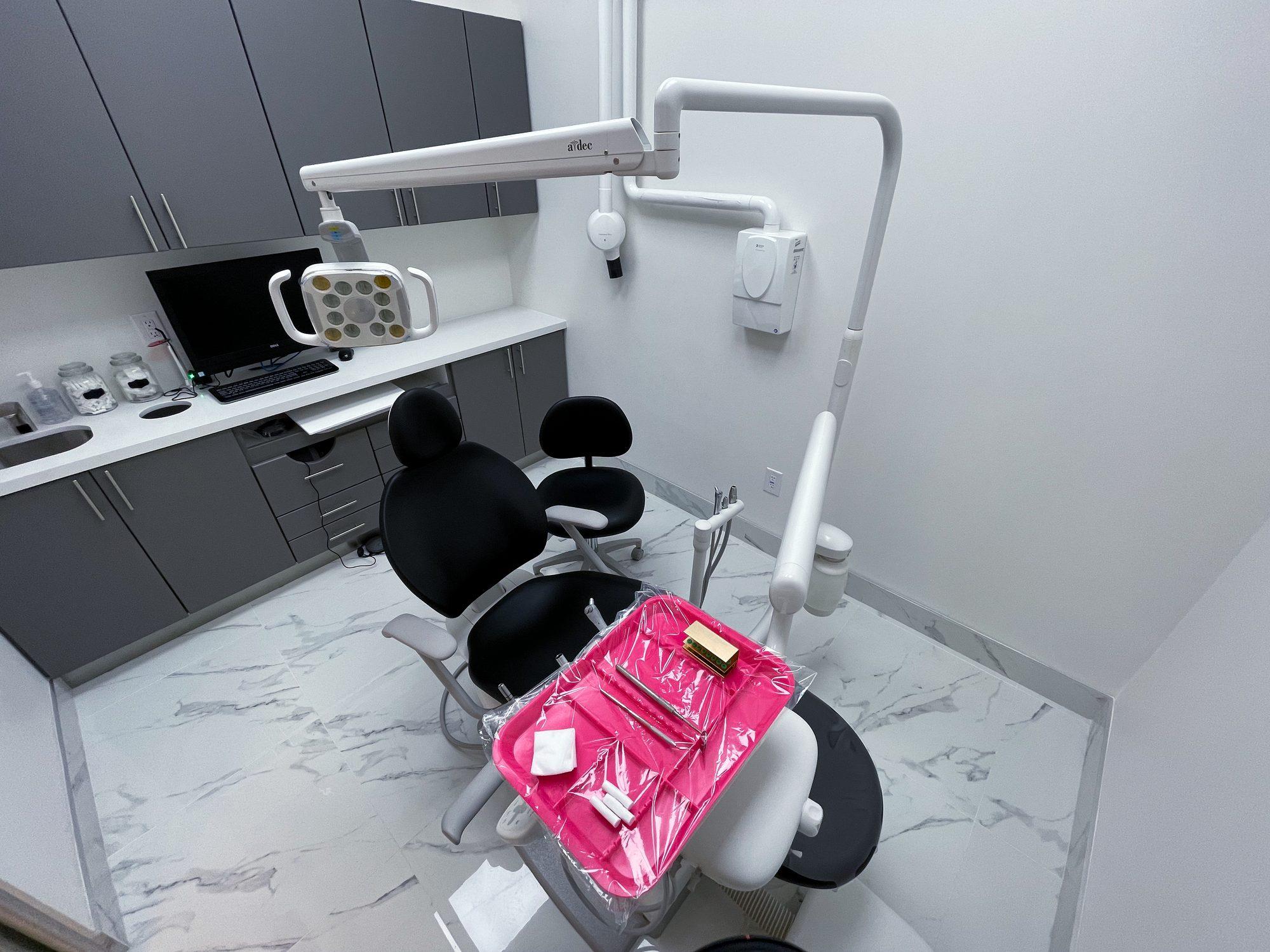
Treatment chair in one of the clinic's operatories

Why Choose Aldershot Village Dental?

Aldershot Village Dental provides personalized dental care for patients in Aldershot, Burlington, and surrounding communities.

Our approach to therapeutic dental Botox and permitted filler treatments is based on:

  • A comprehensive medical and dental history
  • Diagnosis before treatment
  • Careful patient selection
  • Personalized treatment planning
  • Clear informed consent
  • Discussion of conservative treatment options
  • Appropriate aftercare and follow-up
  • Care that remains within Ontario’s dental scope of practice

Injectable therapy should not be treated as a one-size-fits-all solution. We take the time to understand your concerns and determine whether dental treatment, injectable therapy, another conservative approach, or a professional referral is the most appropriate next step.

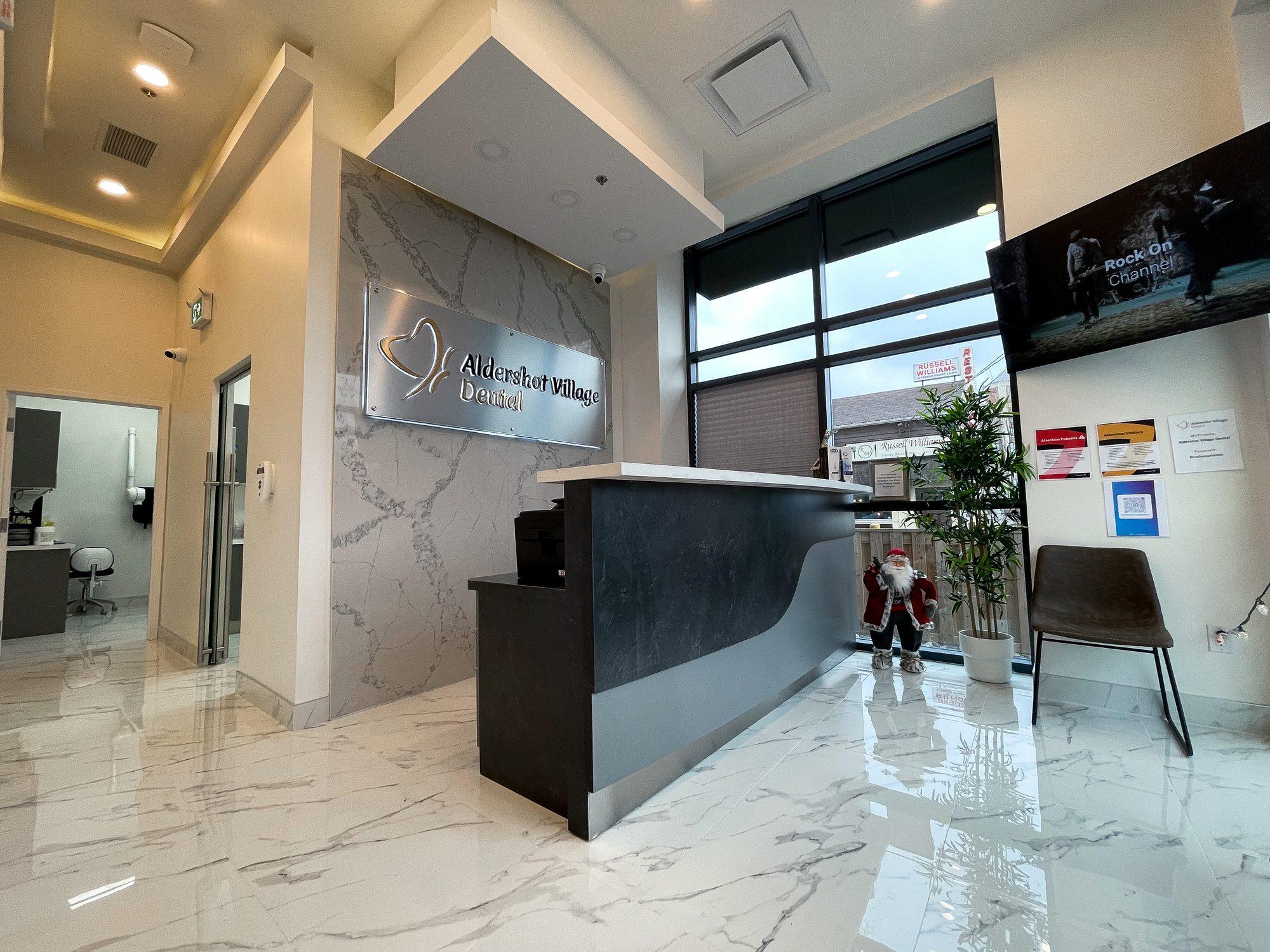
Aldershot Village Dental reception area

Book a Dental Botox Consultation in Aldershot

If you experience persistent jaw tension, excessive muscle activity, clenching, grinding, or muscle-related oral-facial discomfort, schedule a consultation at Aldershot Village Dental.

Our dental team will evaluate your symptoms, discuss available treatment options, and determine whether therapeutic dental Botox or another approach may be appropriate.

Contact Aldershot Village Dental to book a dental Botox consultation in Aldershot, Burlington.

New patients are welcome.

Frequently Asked Questions About Dental Botox and Dermal Fillers

Can Dentists Administer Botox in Ontario?

Yes. Appropriately trained and competent Ontario dentists may administer botulinum toxin for procedures within the scope of dentistry. Extra-oral botulinum toxin treatment must have a therapeutic dental purpose. Ontario dentists are not authorized to provide extra-oral Botox solely for cosmetic purposes.

Can Dental Botox Help with Jaw Clenching?

Therapeutic botulinum toxin may be considered when excessive activity in selected jaw muscles contributes to clenching-related symptoms. It is not appropriate in every case, and a dental assessment is needed before treatment.

Can Botox Stop Teeth Grinding?

Botulinum toxin may temporarily reduce the activity of selected chewing muscles, but it does not necessarily eliminate every cause or form of teeth grinding. A night guard, behavioural changes, physiotherapy, restorative treatment, or other care may also be recommended.

Is Botox a First-Line Treatment for TMD?

Not usually. Temporomandibular disorders have different causes and require an accurate diagnosis. Conservative options are generally considered before injectable treatment. Botulinum toxin may be discussed for selected muscle-related conditions when other appropriate treatments have not produced sufficient improvement.

Is Dental Botox Painful?

Patients may feel a brief pinch or pressure during each injection. Temporary tenderness, redness, swelling, or bruising can occur. Individual experiences vary.

How Quickly Does Dental Botox Work?

Botulinum toxin does not usually take effect immediately. The timing of the response varies among patients and depends on the treatment area and condition. Your dentist will explain when you may notice changes and whether follow-up is recommended.

Are the Results Permanent?

No. Botulinum toxin and commonly used dermal fillers provide temporary effects. The duration varies depending on the treatment, product, area, dose, and individual response.

Will Dental Insurance Cover Therapeutic Botox?

Coverage varies considerably between insurance plans. Some plans may consider treatment when it has a documented therapeutic purpose, while others exclude botulinum toxin or require preauthorization. Contact your insurer directly and request a written estimate before treatment.

How Much Does Dental Botox Cost in Aldershot?

The cost depends on the diagnosis, treatment area, clinical complexity, amount of medication required, and follow-up needs. A consultation is required before an accurate estimate can be provided.

What Is the Difference Between Botox and Dermal Fillers?

Botulinum toxin temporarily reduces activity in selected muscles. Dermal fillers add temporary volume or support to selected soft tissues. They involve different products, treatment goals, risks, and permitted dental uses.

Can Ontario Dentists Provide Cosmetic Botox?

Ontario dentists are not authorized to provide extra-oral botulinum toxin injections solely for cosmetic purposes. Extra-oral treatment must have an appropriate therapeutic purpose within the scope of dentistry.

Can Ontario Dentists Provide Dermal Fillers?

Appropriately trained Ontario dentists may administer dermal fillers intra-orally for therapeutic or cosmetic dental purposes within the scope of dentistry. Extra-oral cosmetic filler injections are not authorized as part of dental practice.

When Should I Seek Urgent Care After an Injection?

Seek urgent medical attention if you develop difficulty breathing, swallowing, or speaking, significant weakness, rapidly increasing swelling, or symptoms of a serious allergic reaction. Contact your dentist about any unexpected or worsening symptoms.

Call nowBook