Skip to content

Oral Cancer Screening in Aldershot, Burlington

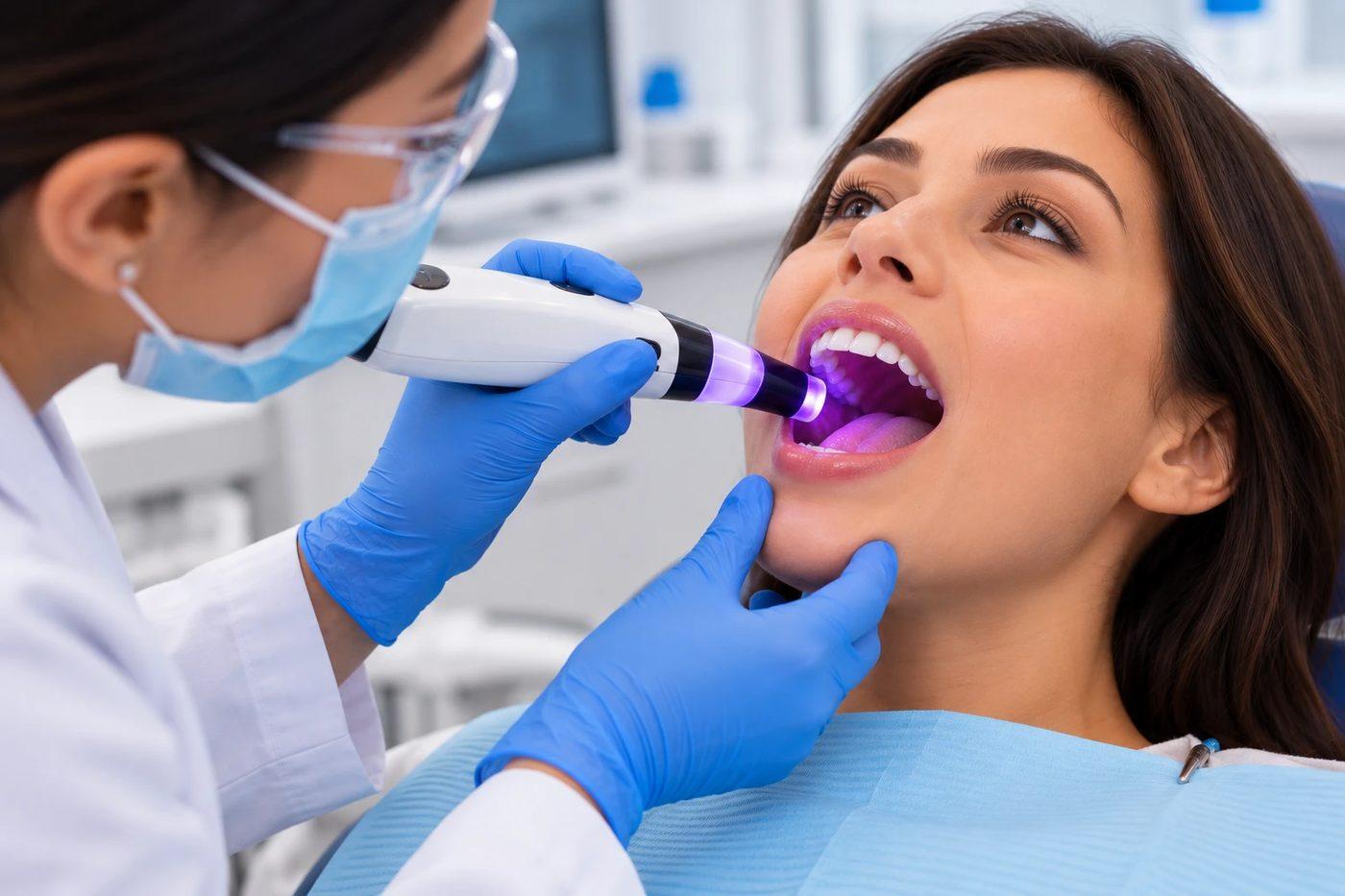
Dentist examining a patient's mouth with a light-based screening device

Oral cancer screening helps identify unusual changes involving the lips, mouth, tongue, throat, and surrounding tissues. At Aldershot Village Dental, screening may be included as part of a comprehensive or routine dental examination, with further evaluation or referral recommended if an area of concern is found.

Regular dental examinations give your dental team an opportunity to look for changes that may not be easy to see or feel yourself. Dentists can play an important role in identifying suspicious oral changes and helping patients understand when further investigation is appropriate.

An oral cancer screening does not diagnose cancer. If an unusual area is identified, your dentist may monitor it, arrange further assessment, or refer you to an appropriate healthcare professional for additional diagnostic testing.

What Is an Oral Cancer Screening?

An oral cancer screening is a visual and physical examination of the mouth and surrounding structures for tissue changes that may require further investigation.

Oral cancer can affect several parts of the mouth, including the lips, gums, tongue, salivary glands, tonsils, floor and roof of the mouth, inside the cheeks, and oropharynx.

The examination may include the:

  • Lips
  • Tongue, including the sides and underside
  • Gums
  • Inside of the cheeks and lips
  • Roof of the mouth
  • Floor of the mouth
  • Back of the mouth and throat
  • Jaw and surrounding oral-facial tissues
  • Neck and related lymph node areas, when appropriate

Why Is Oral Cancer Screening Important?

Some abnormal tissue changes can be difficult to notice on your own, particularly when they develop in less visible areas of the mouth.

Regular dental examinations allow your dentist to monitor your oral tissues over time and investigate changes if they appear unusual.

According to the Ontario Dental Association, dentists may notice subtle changes inside the mouth that patients themselves do not recognize.

Early identification matters.

The Canadian Dental Association notes that oral cancer can be treated successfully when detected early enough.

What Does a Dentist Look for During an Oral Cancer Screening?

During an examination, your dentist or dental professional looks for unusual changes involving the colour, texture, shape, or condition of the oral tissues.

Changes that may require further evaluation can include:

  • Red, white, or dark patches
  • A sore that does not heal
  • Unexplained lumps or thickened areas
  • Changes in tissue colour or texture
  • Unexplained bleeding
  • Persistent tenderness, pain, or numbness
  • Changes involving the tongue
  • An unusual lesion or growth
  • Swelling in the mouth or jaw
  • Changes that persist without an obvious explanation

These findings do not automatically mean cancer is present. Many oral conditions can cause similar symptoms. An examination helps determine whether monitoring, treatment, additional testing, or referral is appropriate.

Signs and Symptoms You Should Not Ignore

You do not need to wait until your next routine dental appointment if you notice a persistent change in your mouth.

The Government of Canada recommends seeking assessment for symptoms including sores or patches that do not heal within two weeks, unexplained bleeding, red or white patches, lumps, persistent throat symptoms, numbness or pain, or difficulty chewing or swallowing.

Make an appointment if you notice:

  • A mouth or lip sore that does not heal
  • Red or white patches inside your mouth
  • A lump on your lip, tongue, neck, or inside the mouth
  • Unexplained oral bleeding
  • Persistent numbness or tenderness
  • Difficulty chewing or swallowing
  • Difficulty moving your tongue or jaw
  • Persistent hoarseness or changes in your voice
  • A persistent sore throat
  • A feeling that something is caught in your throat
  • Unexplained changes in the fit of your dentures
  • Persistent ear pain

Having one of these symptoms does not mean you have oral cancer, but persistent or unexplained changes should be evaluated.

Who Is at Greater Risk for Oral Cancer?

Oral cancer can develop in people with or without obvious risk factors. However, some factors are associated with an increased risk.

  • Tobacco Use

    Smoking cigarettes, cigars, pipes, chewing tobacco, and other tobacco products increases oral cancer risk.

  • Alcohol Consumption

    Chronic or heavy alcohol consumption is another recognized risk factor. Combining tobacco use with high alcohol consumption can further increase risk.

  • Human Papillomavirus (HPV)

    Certain HPV infections are associated with oropharyngeal cancers involving areas such as the back of the tongue and throat. The Government of Canada identifies HPV as an important risk factor for oropharyngeal cancer.

  • Age

    Oral cancer can occur at any age, but risk increases with age. The Government of Canada reports that people over 45 are at higher risk, with the highest incidence among people over 60.

  • Sun Exposure

    Repeated, prolonged exposure to ultraviolet radiation can increase the risk of cancer involving the lips.

Even if you do not have these risk factors, unusual or persistent changes in your mouth should still be examined.

What Happens During an Oral Cancer Screening?

Oral cancer screening is generally straightforward and can often be incorporated into your regular dental examination.

  1. 1.

    Review of Your Health History

    Your dental team may review your medical and dental history, medications, tobacco and alcohol use, previous oral conditions, and changes you have recently noticed.

  2. 2.

    Visual Examination

    Your dentist visually examines different parts of your mouth and surrounding tissues for changes in colour, texture, shape, or appearance.

  3. 3.

    Physical Examination

    The dentist may gently feel areas of the mouth, jaw, or neck for unusual lumps, swelling, tenderness, or differences in tissue texture.

  4. 4.

    Evaluation of Any Areas of Concern

    If something unusual is identified, your dentist will determine the appropriate next step.

    Depending on the finding, this may involve monitoring the area, scheduling a follow-up examination, or referring you for further investigation.

What Happens If My Dentist Finds Something Unusual?

An abnormal-looking area does not necessarily mean you have oral cancer.

Mouth sores and tissue changes can have many possible causes, including trauma, irritation, infection, inflammation, or other oral conditions.

If your dentist identifies an area that requires investigation, they may recommend:

  • Monitoring the area for changes
  • A follow-up examination
  • Evaluation by another dental or medical professional
  • Diagnostic imaging when indicated
  • A biopsy of suspicious tissue when clinically appropriate

A biopsy involves collecting tissue so it can be examined microscopically. The Canadian Dental Association identifies biopsy and diagnostic imaging as possible steps when oral cancer is suspected.
Can a Dentist Diagnose Oral Cancer During a Screening?

No. An oral cancer screening is intended to identify suspicious or unusual tissue changes that may require additional evaluation.

A visual or physical examination alone cannot confirm that a lesion is cancerous.

If an area appears suspicious, further investigation may be necessary. This can include a biopsy and, in some circumstances, diagnostic imaging.

This distinction is important. The purpose of screening is to recognize changes that warrant attention, not to provide an immediate cancer diagnosis.

How Often Should You Have an Oral Cancer Screening?

There is no single screening interval that is appropriate for every patient.

Your dentist will consider factors such as:

  • Age
  • Tobacco use
  • Alcohol consumption
  • Medical history
  • Previous oral lesions
  • HPV-related risk factors
  • Sun exposure
  • Current symptoms
  • Overall oral health

Oral tissues can also be evaluated during regular dental examinations. Patients with particular risk factors or previously identified abnormalities may require more frequent assessment.

Can I Check for Signs of Oral Cancer at Home?

Yes. Regularly looking inside your mouth can help you become familiar with what is normal for you and recognize changes.

Check your:

  • Lips
  • Gums
  • Inside surfaces of your cheeks
  • Roof of your mouth
  • Floor of your mouth
  • Top, sides, and underside of your tongue

Look for sores, lumps, colour changes, red or white patches, or other areas that appear different.

Self-examination is not a substitute for a professional dental examination. The Canadian Dental Association recommends checking your mouth regularly and reporting changes promptly to your dentist.

Reducing Your Risk of Oral Cancer

Not every case of oral cancer can be prevented, but you can take steps that may reduce your risk.

  • Avoid Tobacco

    Avoid cigarettes, cigars, chewing tobacco, and other tobacco products.

  • Limit Alcohol Consumption

    Reducing alcohol consumption can help lower a recognized oral cancer risk factor.

  • Protect Your Lips from the Sun

    Limit prolonged UV exposure and consider using lip products with sun protection.

  • Maintain Regular Dental Visits

    Regular dental examinations provide an opportunity for your dental team to identify and monitor changes in your oral tissues.

  • Know Your Mouth

    Pay attention to sores, lumps, patches, or other changes and seek professional evaluation if they do not resolve.

These preventive measures are consistent with recommendations from the Canadian Dental Association.

Why Choose Aldershot Village Dental for Oral Cancer Screening?

At Aldershot Village Dental, preventive dental care involves more than checking for cavities. Evaluating the soft tissues of your mouth is an important part of monitoring your overall oral health.

Our approach focuses on:

  • Careful examination of the teeth and oral tissues
  • Review of relevant medical and dental history
  • Identification of unusual or persistent tissue changes
  • Clear explanations when an area requires monitoring
  • Appropriate referral when further investigation is needed
  • Ongoing preventive dental care based on individual risk factors

Our dental team serves patients in Aldershot, Burlington, and surrounding communities, providing preventive care designed to identify oral health concerns as early as reasonably possible.

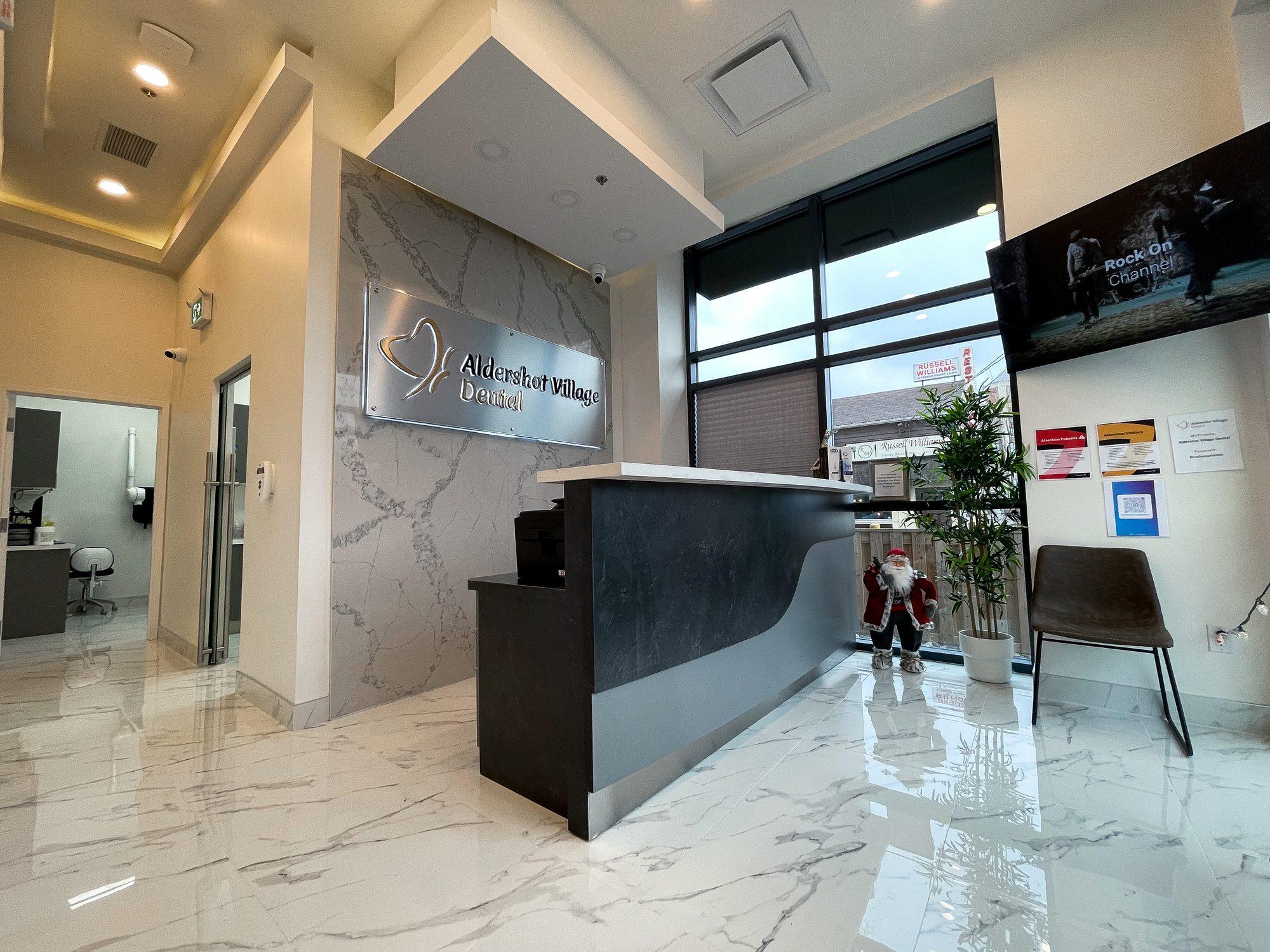
Aldershot Village Dental reception area

Book an Oral Cancer Screening in Aldershot, Burlington

If you are due for a dental exam or have noticed an unusual or persistent change involving your lips, tongue, gums, mouth, or throat, schedule an appointment at Aldershot Village Dental.

An oral cancer screening can be incorporated into a comprehensive dental examination to look for tissue changes that may require further evaluation.

Book An Appointment

Frequently Asked Questions About Oral Cancer Screening

What Is an Oral Cancer Screening?

An oral cancer screening is an examination of the mouth and surrounding tissues for unusual changes that may require further investigation. It can involve both visual inspection and palpation of oral and nearby tissues.

Does an Oral Cancer Screening Hurt?

A routine visual and physical oral examination is generally quick and painless. The Ontario Dental Association describes an oral cancer examination performed during a routine dental exam as fast, easy, and painless.

Is Oral Cancer Screening Part of a Regular Dental Exam?

Evaluation of the oral tissues may be incorporated into routine dental examinations. What is included can vary according to the patient's needs, risk factors, symptoms, and the clinical examination.

Can a Dentist Tell If I Have Oral Cancer?

A dentist can identify suspicious changes but cannot diagnose cancer through visual screening alone. If a suspicious lesion is found, additional investigation such as a biopsy may be needed to establish a diagnosis.

What Does Oral Cancer Look Like?

Possible signs can include red or white patches, sores that do not heal, unusual lumps, tissue changes, unexplained bleeding, or persistent changes to the lips, tongue, or other areas of the mouth.

How Long Should I Wait for a Mouth Sore to Heal?

The Government of Canada identifies a sore or patch in the mouth or on the lip that does not heal within two weeks as something that should be assessed by an oral health or other healthcare professional.

Can Someone Who Doesn't Smoke Get Oral Cancer?

Yes. Tobacco is an important risk factor, but people who do not smoke can still develop oral or oropharyngeal cancer. Age, alcohol consumption, HPV infection, UV exposure, and other factors may contribute to risk.

What Does HPV Have to Do With Oral Cancer?

Certain types of HPV can infect the mouth and throat and increase the risk of developing oropharyngeal cancer. The Government of Canada identifies HPV as a significant risk factor for these cancers.

What Happens If My Dentist Finds a Suspicious Spot?

Your dentist may monitor the area, arrange follow-up, or recommend referral for further assessment. If cancer is suspected, a biopsy may be required to determine whether abnormal cells are present.

Should I Get an Oral Cancer Screening If I Have No Symptoms?

Regular dental examinations allow your dental team to examine areas of your mouth that you may not easily see yourself. The Canadian Dental Association recommends regular dental exams and asking your dentist about oral cancer screening.

When Should I See a Dentist About a Change in My Mouth?

Arrange an evaluation if you notice a persistent sore, red or white patch, unexplained lump, bleeding, numbness, difficulty swallowing, changes in tongue movement, or another unexplained change that does not resolve.

Call nowBook