Skip to content

Sleep Apnea & Snoring Dental Appliances in Aldershot, Burlington

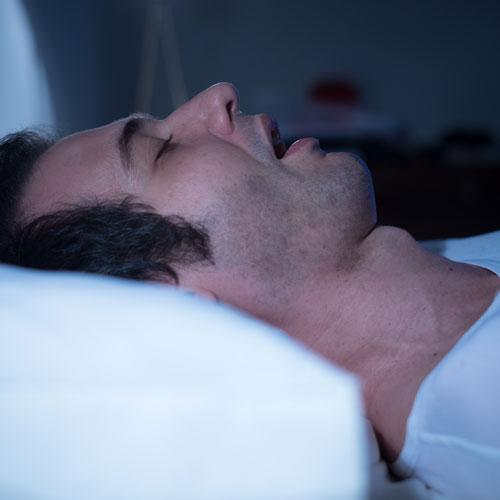
Man asleep on his back in a dark bedroom

Snoring, restless sleep, and daytime tiredness can sometimes be signs of a sleep-related breathing condition such as obstructive sleep apnea. Because snoring and sleep apnea can have different causes, proper medical assessment and diagnosis are important before treatment begins.

At Aldershot Village Dental, we can assess whether a custom dental appliance for sleep apnea or snoring is appropriate as part of your broader treatment plan.

For appropriately diagnosed patients, oral appliance therapy may help manage certain sleep-related breathing concerns by supporting the jaw in a position that helps maintain the airway during sleep.

The Canadian Dental Association recommends that patients with suspected snoring or obstructive sleep apnea receive a medical assessment to determine whether OSA is present and its severity. Dentists can then work collaboratively with the patient's physician when oral appliance therapy is appropriate.

What Is Obstructive Sleep Apnea?

Obstructive sleep apnea, often referred to as OSA, is a sleep-related breathing disorder in which the upper airway becomes partially or completely obstructed during sleep.

These interruptions can occur repeatedly throughout the night and disrupt normal sleep and breathing.

Possible signs and symptoms can include:

  • Loud or persistent snoring
  • Gasping or choking during sleep
  • Witnessed pauses in breathing
  • Restless or interrupted sleep
  • Morning headaches
  • Daytime sleepiness or fatigue
  • Difficulty concentrating
  • Memory problems
  • Irritability
  • High blood pressure

Snoring does not necessarily mean you have sleep apnea. However, because snoring can be associated with OSA, persistent snoring should not simply be treated as a nuisance without considering whether further medical assessment is appropriate.

What Is a Sleep Apnea Dental Appliance?

A sleep apnea dental appliance is a custom oral device worn while sleeping.

Many oral appliances used for obstructive sleep apnea work by repositioning the lower jaw and related oral structures to help maintain an open upper airway during sleep.

The appliance fits over the teeth and is designed specifically for the individual patient.

Unlike a CPAP machine, an oral appliance does not use a mask, tubing, or pressurized airflow. This can make oral appliance therapy an alternative for certain appropriately diagnosed patients, including some who have difficulty tolerating CPAP.

The appropriate treatment, however, depends on the diagnosis and severity of the sleep-related breathing disorder.
How Can a Dental Appliance Help with Snoring?

Snoring commonly occurs when tissues in the upper airway vibrate as air moves through a narrowed airway during sleep.

An oral appliance may help reduce snoring in selected patients by changing the position of the lower jaw and associated structures during sleep, which can help maintain airway space.

However, snoring should be medically assessed before oral appliance therapy begins because it can be associated with obstructive sleep apnea. The Canadian Dental Association recommends that dentists work directly with an attending physician before providing oral appliance therapy to reduce snoring.

Treating the sound of snoring without first considering the possibility of sleep apnea could leave an underlying sleep-related breathing disorder unrecognized.

Signs You Should Talk to a Healthcare Professional About Sleep Apnea

Consider discussing your symptoms with a healthcare professional if you or your partner notice:

  • Regular loud snoring
  • Pauses in breathing during sleep
  • Waking while choking or gasping
  • Frequent nighttime awakenings
  • Excessive daytime sleepiness
  • Difficulty concentrating
  • Morning headaches
  • Persistent fatigue despite spending enough time in bed
  • Irritability or mood changes
  • High blood pressure together with sleep-related symptoms

Your dentist may also recognize dental or oral characteristics that suggest further assessment would be appropriate.

The Ontario Dental Association notes that although dentists do not diagnose sleep apnea, they can help identify patients who should receive further medical assessment and may subsequently provide an oral appliance when recommended.

Who May Be a Candidate for a Sleep Apnea Oral Appliance?

Oral appliance therapy is not appropriate for every patient with sleep apnea.

Depending on medical diagnosis, OSA severity, dental health, previous treatments, and other factors, an oral appliance may be considered for appropriately selected patients.

Canadian respiratory guidance has identified oral appliances as an option for some patients with mild or moderate obstructive sleep apnea and as an alternative for some patients who are unable to tolerate CPAP.

An assessment may consider:

  • Your medical diagnosis
  • Severity of obstructive sleep apnea
  • Previous or current CPAP treatment
  • Number and condition of your teeth
  • Gum and bone health
  • Your bite
  • Jaw movement
  • Temporomandibular joint health
  • Existing dental restorations
  • Ability to comfortably wear an appliance

A dentist evaluates whether your teeth, gums, bite, and jaw can adequately support oral appliance therapy, while medical diagnosis and management of OSA remain part of your broader healthcare plan.

Sleep Apnea Appliance vs. CPAP

Both CPAP and oral appliances can play a role in managing obstructive sleep apnea, but they work differently.

CPAP Therapy

Continuous positive airway pressure, or CPAP, uses a mask connected to a machine that delivers pressurized air to help keep the airway open while you sleep.

CPAP remains an important treatment for obstructive sleep apnea, particularly when the condition is more severe or when an oral appliance would not provide adequate control.

Oral Appliance Therapy

An oral appliance is worn inside the mouth and generally works by changing the position of the jaw and related structures.

It:

  • Does not require a mask
  • Does not use pressurized air
  • Is relatively small and portable
  • Can be considered for appropriately selected patients
  • Requires adequate dental support and ongoing monitoring

Oral appliance therapy should not automatically be considered a replacement for CPAP. The appropriate treatment depends on your medical diagnosis, OSA severity, treatment response, and healthcare provider's recommendations.

Why Choose a Custom Dental Appliance?

Custom oral appliances are made specifically for the patient's mouth and bite.

Before making an appliance, your dentist can evaluate:

  • Teeth and existing restorations
  • Gum health
  • Bite relationships
  • Jaw movement
  • Jaw joint health
  • Oral anatomy
  • Dental conditions that could affect appliance use

A properly managed appliance also needs follow-up. Adjustments may be required to balance effectiveness, comfort, bite stability, and jaw health.

Canadian respiratory guidance specifically recommends that sleep-apnea oral appliances be fitted by qualified dental practitioners with appropriate training and that follow-up sleep monitoring be used to confirm treatment effectiveness after appliance positioning has been optimized.

What to Expect at Your Dental Sleep Appliance Consultation

The process begins by determining whether oral appliance therapy is appropriate for your situation.

  1. 1.

    Review of Your Medical Diagnosis

    If you have already been diagnosed with obstructive sleep apnea, we can review relevant information from your physician or sleep medicine provider.

    If OSA is suspected but has not been medically assessed, further medical evaluation may be recommended before oral appliance treatment begins.

  2. 2.

    Dental and Oral Examination

    Your dentist evaluates your:

    • Teeth
    • Gums and supporting tissues
    • Existing crowns, bridges, and other restorations
    • Bite
    • Jaw movement
    • Temporomandibular joints
    • Oral structures relevant to appliance therapy
  3. 3.

    Discussing Treatment Options

    Your dentist will discuss whether your dental condition is suitable for an oral appliance, what the appliance may accomplish, its limitations, possible risks, and alternative approaches.

  4. 4.

    Creating Your Custom Appliance

    If oral appliance therapy is appropriate, records of your teeth and bite are taken so the device can be customized for your mouth.

  5. 5.

    Appliance Fitting and Adjustment

    Once the appliance is ready, your dentist checks its fit and provides instructions for wearing and caring for it.

    Depending on the appliance, progressive adjustments may be made to determine an appropriate jaw position while monitoring comfort and symptoms.

  6. 6.

    Follow-Up and Monitoring

    Follow-up is an important part of oral appliance therapy.

    Your dentist monitors the fit of the device and checks for changes in your teeth, gums, bite, and jaw joints.

    Medical follow-up or repeat sleep testing may also be recommended to determine whether your sleep apnea is being adequately controlled.

Potential Benefits of Sleep Apnea Oral Appliances

For appropriately selected patients, advantages may include:

  • Small and portable design

  • No mask or tubing

  • No electricity required while being worn

  • Quiet operation

  • Custom fitting to the teeth

  • Potential alternative for certain patients who cannot tolerate CPAP

The Ontario Dental Association notes that oral appliances may sometimes be viewed as convenient, silent, and more bed-partner-friendly compared with CPAP equipment.

However, convenience should not take priority over effective treatment. The goal is to find an approach that appropriately manages the diagnosed sleep-related breathing disorder.

Are There Side Effects from Sleep Apnea Dental Appliances?

Like any treatment, oral appliance therapy can have side effects.

These may include:

  • Temporary tooth or jaw discomfort
  • Jaw muscle soreness
  • Excessive saliva or dry mouth
  • Changes in the way your teeth meet
  • Tooth movement over time
  • Temporomandibular joint discomfort
  • Difficulty getting accustomed to the appliance

Regular dental follow-up helps identify unwanted changes and allows the appliance or treatment plan to be modified when appropriate.

Caring for Your Sleep Apnea Appliance

Proper care can help maintain the appliance and your oral health.

Follow the cleaning instructions provided with your particular appliance and:

  • Clean the appliance regularly
  • Brush and floss your teeth before wearing it
  • Store it in its protective case when not in use
  • Keep it away from excessive heat
  • Do not attempt to adjust it yourself
  • Bring it to your dental follow-up appointments
  • Contact your dentist if it becomes damaged or uncomfortable
  • Continue recommended medical and sleep-related follow-up

The Dentist's Role in Sleep Apnea Treatment

One of the most important things for patients to understand is that sleep apnea requires medical diagnosis.

The dentist's role is complementary.

Dentists can recognize potential signs or risk factors, evaluate whether the mouth and teeth are suitable for oral appliance therapy, provide an appropriate dental appliance when indicated, make necessary adjustments, and monitor dental effects.

The Canadian Dental Association specifically supports an interdisciplinary approach in which patients receive a medical assessment and dentists work with physicians when providing oral appliance therapy.

This collaborative approach helps make sure that treatment addresses the sleep-related breathing disorder rather than simply reducing snoring.

Why Choose Aldershot Village Dental?

At Aldershot Village Dental, our approach to sleep apnea and snoring appliances emphasizes appropriate assessment and coordinated care.

We focus on:

  • Evaluating your dental suitability for oral appliance therapy
  • Reviewing your teeth, gums, bite, and jaw joints
  • Customizing the appliance to your dental anatomy
  • Explaining potential benefits and limitations
  • Monitoring dental and jaw-related changes
  • Adjusting the appliance when appropriate
  • Coordinating with your broader treatment plan

We serve patients from Aldershot, Burlington, and surrounding communities who may be considering dental appliance therapy for medically assessed sleep-related breathing concerns.

Aldershot Village Dental reception area

Book a Sleep Apnea Dental Appliance Consultation in Aldershot

If you have been diagnosed with obstructive sleep apnea or your healthcare provider has recommended exploring an oral appliance, Aldershot Village Dental can assess whether dental appliance therapy may be suitable for you.

If you experience persistent snoring but have not been evaluated for sleep apnea, a medical assessment may be appropriate before appliance treatment is started.

Contact Aldershot Village Dental to book a consultation for sleep apnea and snoring dental appliances in Aldershot, Burlington.

New patients are welcome.

Frequently Asked Questions About Sleep Apnea & Snoring Appliances

Can a Dentist Diagnose Sleep Apnea?

No. Obstructive sleep apnea is a medical condition that requires appropriate medical assessment and diagnosis. Dentists can identify signs or risk factors that may warrant further assessment and can provide oral appliance therapy for appropriately diagnosed patients.

Can a Dentist Make an Appliance for Sleep Apnea?

Yes. For an appropriately diagnosed patient, a dentist can assess dental suitability and provide an oral appliance as part of an interdisciplinary treatment plan.

Can a Dental Appliance Help Stop Snoring?

An oral appliance may reduce snoring in selected patients by changing the position of the jaw and associated structures during sleep. Because snoring can be a sign of OSA, medical assessment should occur before treatment is provided solely to address snoring.

Is a Sleep Apnea Appliance the Same as a Night Guard?

No. A night guard is generally designed to protect teeth from the effects of grinding or clenching. A sleep apnea oral appliance is designed to alter jaw or oral positioning to help manage a diagnosed sleep-related breathing condition. They are intended for different purposes and should not be used interchangeably.

Is a Dental Appliance Better Than CPAP?

Not necessarily. The appropriate treatment depends on the type and severity of OSA and individual circumstances. CPAP is an important therapy for obstructive sleep apnea, while oral appliances may be appropriate for selected patients, including certain people with mild or moderate OSA or those who cannot tolerate CPAP.

Can I Use an Oral Appliance Instead of My CPAP?

Do not stop or replace prescribed CPAP treatment without discussing it with the healthcare professional managing your sleep apnea. Oral appliance therapy may be an alternative for certain patients, but effectiveness should be appropriately assessed.

Do I Need a Sleep Study Before Getting an Oral Appliance?

Patients suspected of having OSA should receive medical assessment to establish whether the condition is present and determine its severity. Depending on the clinical circumstances, this evaluation may include sleep testing ordered or interpreted within your medical care.

How Long Does a Sleep Apnea Dental Appliance Last?

There is no fixed lifespan that applies to every appliance. Longevity can be affected by appliance design and material, teeth grinding, changes to your teeth or dental work, cleaning habits, and frequency of use. Regular follow-up allows your dentist to monitor its condition and fit.

Can a Sleep Apnea Appliance Change My Bite?

Changes in tooth position or the way the upper and lower teeth meet can occur with long-term oral appliance use. Regular dental monitoring is important so changes can be identified and managed appropriately.

Does Insurance Cover Sleep Apnea Dental Appliances?

Coverage varies between insurance plans. Some health benefit plans may provide coverage for an oral appliance when it is medically indicated, while others may exclude it or require supporting documentation. Patients should confirm eligibility, referral or prescription requirements, maximums, and required diagnostic documentation directly with their insurer before treatment.

How Do I Know if My Oral Appliance Is Working?

Improved snoring or symptoms alone does not necessarily confirm that obstructive sleep apnea is adequately controlled. Follow-up sleep monitoring may be recommended to objectively evaluate treatment after the appliance has been appropriately adjusted.

Call nowBook