
Skip to content

Orthodontics in Aldershot, Burlington

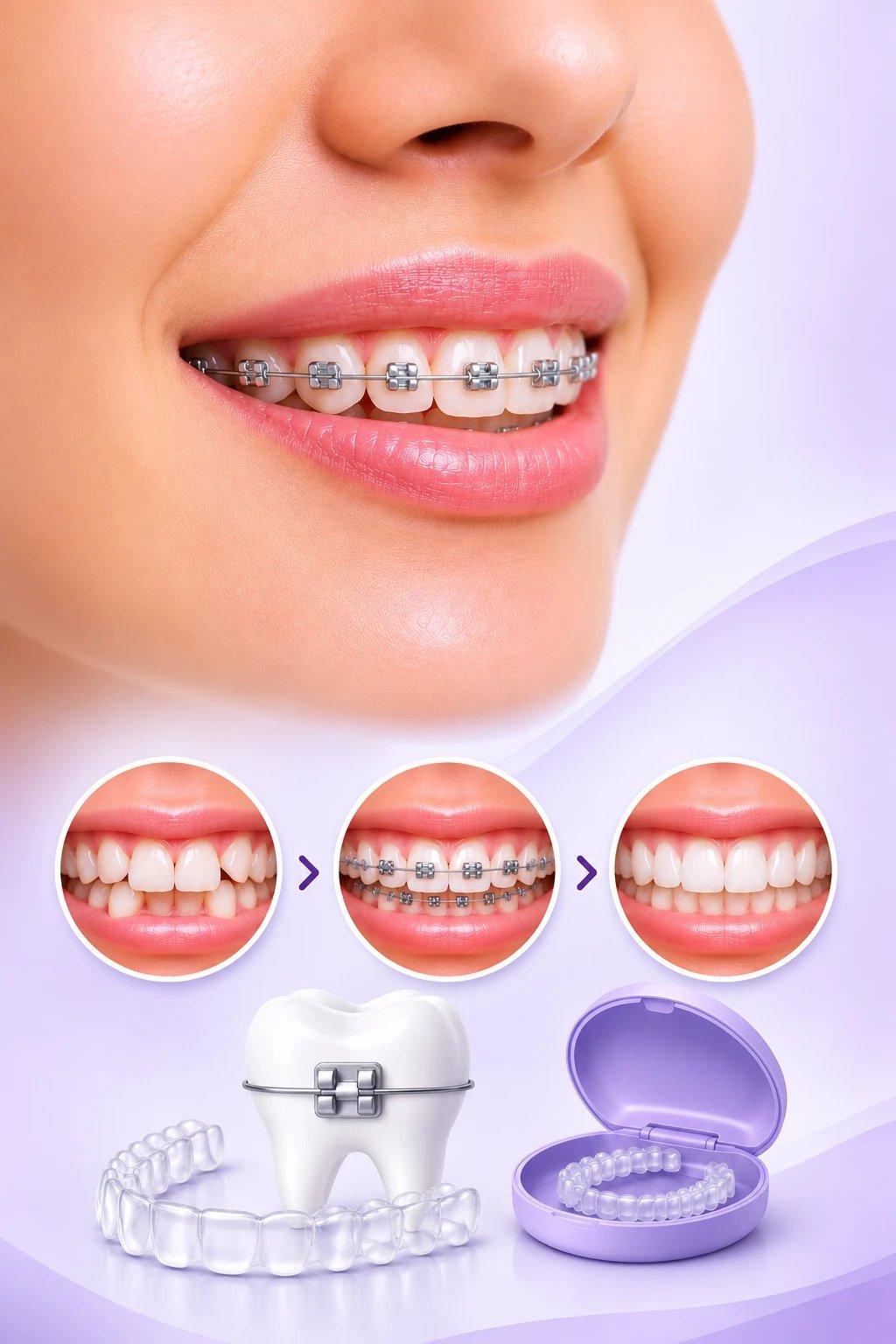
Smile with metal braces, above crooked teeth straightening into an even smile, with a clear aligner and retainer case

Orthodontic treatment can help improve the position of your teeth and the way your upper and lower teeth come together. Treatment may be considered for crooked or crowded teeth, gaps, protruding teeth, and certain bite concerns.

At Aldershot Village Dental, we can evaluate your teeth, bite, jaw relationship, oral health, and treatment goals to determine what orthodontic options may be appropriate. Depending on the complexity of your needs, we can discuss suitable treatment options or recommend further assessment by an orthodontic specialist.

Orthodontics is not only for teenagers.

The Canadian Dental Association notes that teeth can be moved at any age, and both adults and younger patients may benefit from orthodontic assessment and treatment.

What Is Orthodontic Treatment?

Orthodontics focuses on correcting the alignment of teeth and certain problems involving how the upper and lower teeth fit together, known as the bite.

Orthodontic appliances apply controlled forces to gradually move teeth toward planned positions. Depending on the patient's needs, treatment options can include braces, clear aligners, removable appliances, fixed appliances, expanders, and retainers.

The right approach depends on the type and complexity of the alignment or bite concern, age, oral health, jaw relationships, and treatment goals.

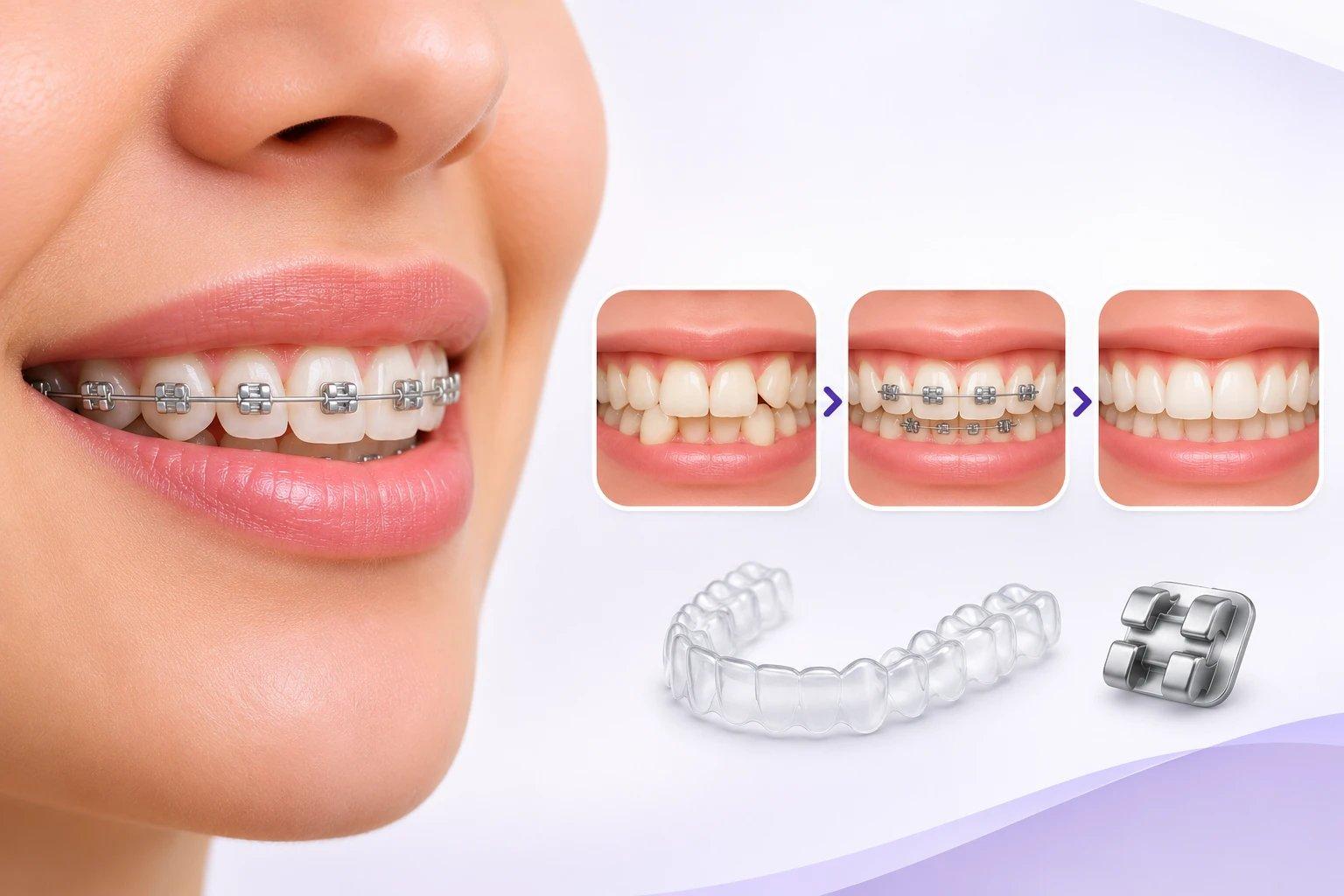
Smile with metal braces, beside crooked teeth straightening with braces into an even smile, a clear aligner and a bracket

What Orthodontic Problems Can Be Treated?

An orthodontic assessment may be recommended if you or your child has:

  • Crooked or rotated teeth
  • Crowded teeth
  • Gaps between teeth
  • Protruding front teeth
  • Overbite or deep bite
  • Underbite
  • Crossbite
  • Open bite
  • Teeth that do not meet properly
  • Concerns about tooth or jaw alignment

The position of the teeth and jaws influences the bite. Certain alignment problems may make teeth more difficult to clean, affect chewing, contribute to tooth wear, or increase the risk of injury to protruding teeth.

Benefits of Orthodontic Treatment

Orthodontic treatment is often associated with creating a straighter smile, but appropriate treatment can also have functional and oral health benefits.

Depending on your individual needs, treatment may:

  • Improve tooth alignment
  • Correct certain bite problems
  • Make crowded areas easier to clean
  • Improve how the upper and lower teeth meet
  • Reduce abnormal wear related to some bite problems
  • Improve the appearance of your smile

Straightening teeth does not automatically prevent cavities or gum disease. Daily brushing, interdental cleaning, professional dental care, and regular examinations remain important throughout and after orthodontic treatment.

Dentist showing a clear aligner to a smiling adult patient

Orthodontics for Adults

It is not too late to explore orthodontic treatment simply because you are an adult.

Adults may consider orthodontics because of long-standing crowding, spacing, bite concerns, or changes in tooth position over time.

Before beginning orthodontic treatment, your dentist will consider the health of your:

  • Teeth
  • Gums
  • Supporting bone
  • Existing fillings and crowns
  • Bite
  • Jaw relationship

The Canadian Dental Association confirms that orthodontic treatment is not limited to teenagers and that teeth can be moved at any age when the patient's dental condition is appropriate.
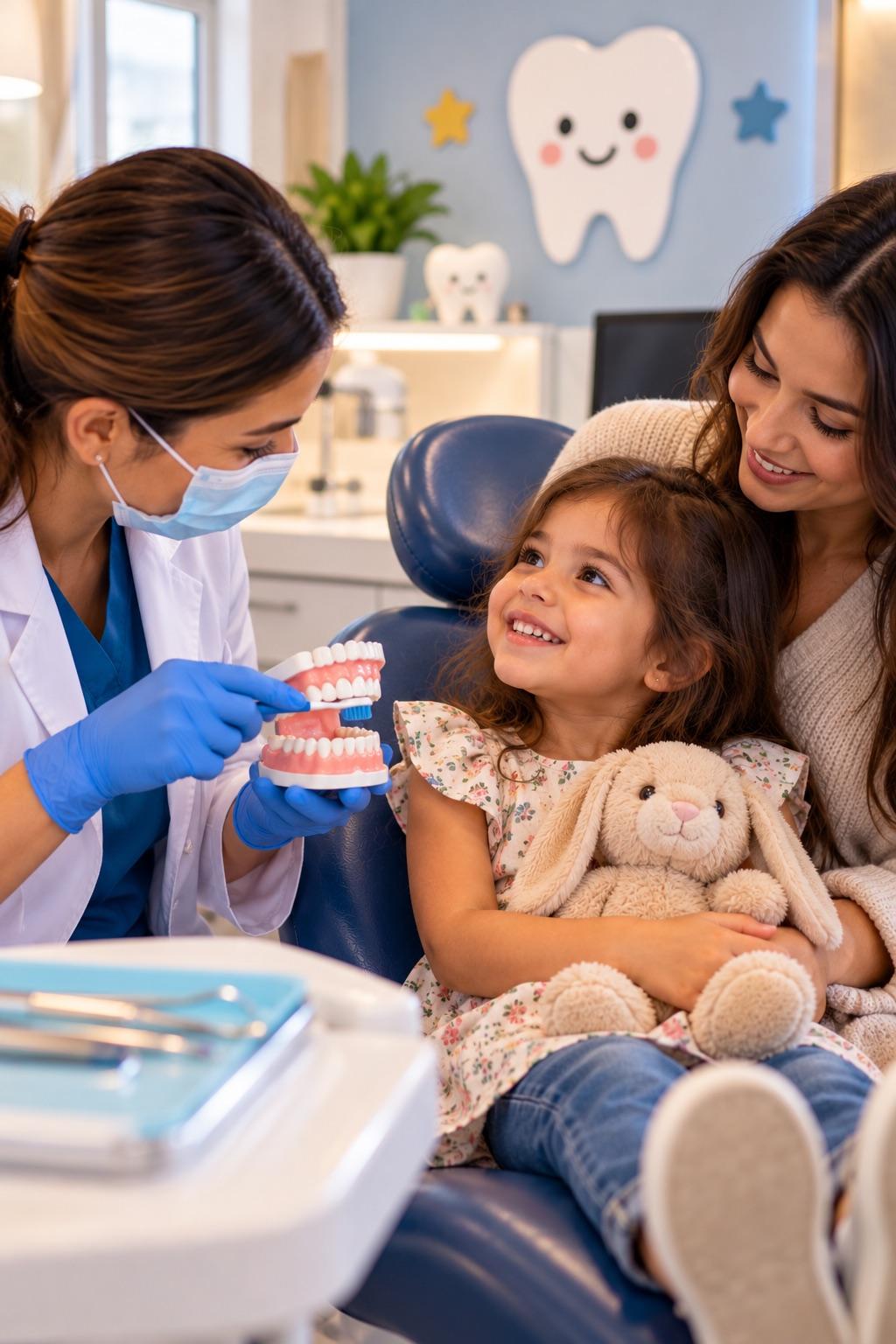
Dentist showing a young girl how to brush on a model of teeth while her mother holds her

Orthodontic Care for Children and Teens

Monitoring tooth and jaw development can help identify orthodontic concerns while a child is growing.

Possible signs that an orthodontic assessment may be useful include:

  • Significant crowding
  • Early or late loss of baby teeth
  • Protruding front teeth
  • Difficulty biting or chewing
  • Teeth that do not meet normally
  • Crossbite, underbite, or open bite
  • Persistent thumb or finger sucking that affects the bite

The Canadian Association of Orthodontists recommends that children have an assessment by an orthodontic specialist no later than age seven, when adult teeth are beginning to emerge and certain developing problems may be identified early.

This does not mean every seven-year-old needs orthodontic treatment. In many cases, monitoring growth and dental development is the appropriate next step.

Clear Aligners and Other Orthodontic Options

Different orthodontic problems require different approaches.

Depending on your dental needs, options may include:

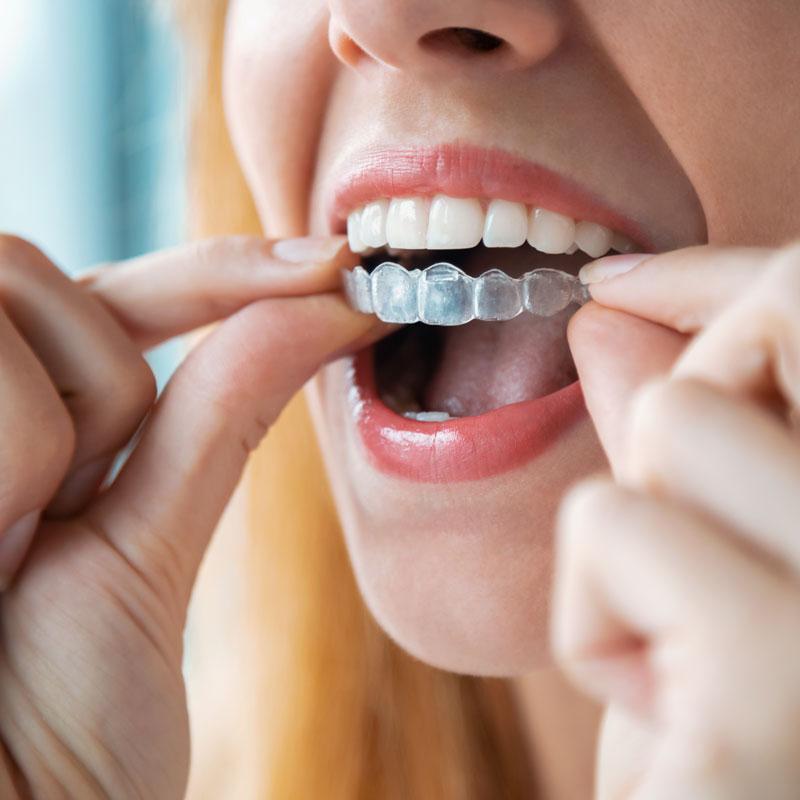
Woman fitting a clear aligner over her upper teeth

Clear Aligners

Clear aligners use a planned sequence of removable trays to gradually reposition teeth. They may be appropriate for selected alignment and bite concerns.

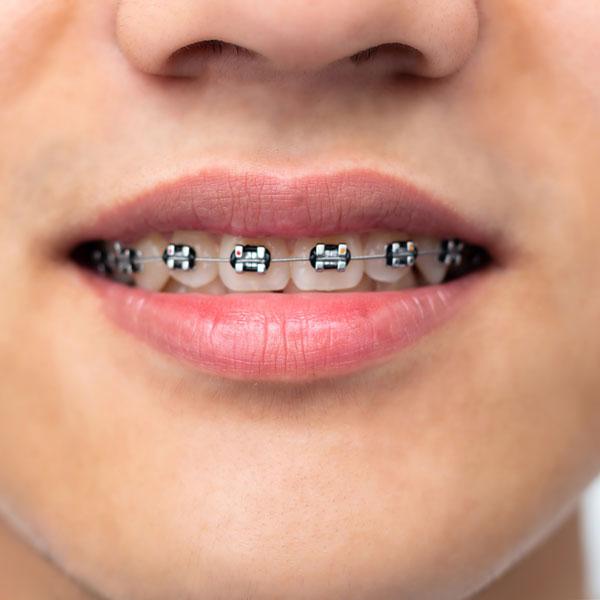
Close-up of a smile with metal braces

Traditional Braces

Braces use brackets and wires to apply controlled forces to the teeth. They can be used for a broad range of orthodontic problems.

Other Orthodontic Appliances

Some patients may require retainers, expanders, removable appliances, or other fixed appliances depending on their age and orthodontic needs.

Not every treatment is appropriate for every patient. A clinical assessment is necessary before recommending a specific orthodontic approach.

What to Expect at an Orthodontic Assessment

  1. 1.

    Discuss Your Concerns

    We begin by discussing what you would like to improve, whether that involves tooth alignment, spacing, crowding, your bite, or the appearance of your smile.

  2. 2.

    Examine Your Teeth and Bite

    Your dentist evaluates your teeth, gums, bite, and jaw relationship.

  3. 3.

    Diagnostic Records

    Depending on your needs, dental photographs, digital scans, impressions, or X-rays may be recommended to better understand tooth and jaw relationships.

  4. 4.

    Discuss Your Options

    Your dentist will explain whether orthodontic treatment may be appropriate and what options could be considered.

  5. 5.

    Referral When Appropriate

    Some orthodontic concerns are more complex and benefit from specialist management.

    A general dentist may provide basic orthodontic treatment or refer a patient to an orthodontist. In Canada, an orthodontist is a dentist who has completed additional university postgraduate specialty education in orthodontics.

How Long Does Orthodontic Treatment Take?

Orthodontic treatment varies considerably between patients.

Treatment time can be affected by:

  • Amount of tooth movement required
  • Type and complexity of the bite problem
  • Age and growth
  • Treatment method
  • Oral health
  • Patient cooperation
  • How consistently removable appliances are worn
  • Response of the teeth and supporting tissues

Orthodontic treatment typically takes place over months or years rather than weeks, and regular appointments are generally required to monitor progress.

Your individual treatment plan will provide a more meaningful estimate once your orthodontic needs have been assessed.

Retainers After Orthodontic Treatment

Finishing active orthodontic treatment does not mean the teeth will permanently remain in their new positions without support.

Teeth can shift over time. Retainers are commonly used after active orthodontic treatment to help maintain the corrected tooth positions.

The type of retainer and recommended wearing schedule depend on the individual treatment plan.

Why Choose Aldershot Village Dental for an Orthodontic Assessment?

Our approach begins by understanding both how your smile looks and how your teeth function together.

We assess:

  • Tooth alignment
  • Crowding and spacing
  • Your bite
  • Jaw relationships
  • Gum and dental health
  • Existing restorations
  • Your treatment goals

We can then discuss appropriate orthodontic options and determine whether treatment can be managed within general dental care or whether additional assessment by an orthodontic specialist would be beneficial.

We provide dental care for children, teens, and adults in Aldershot, Burlington, and surrounding communities.

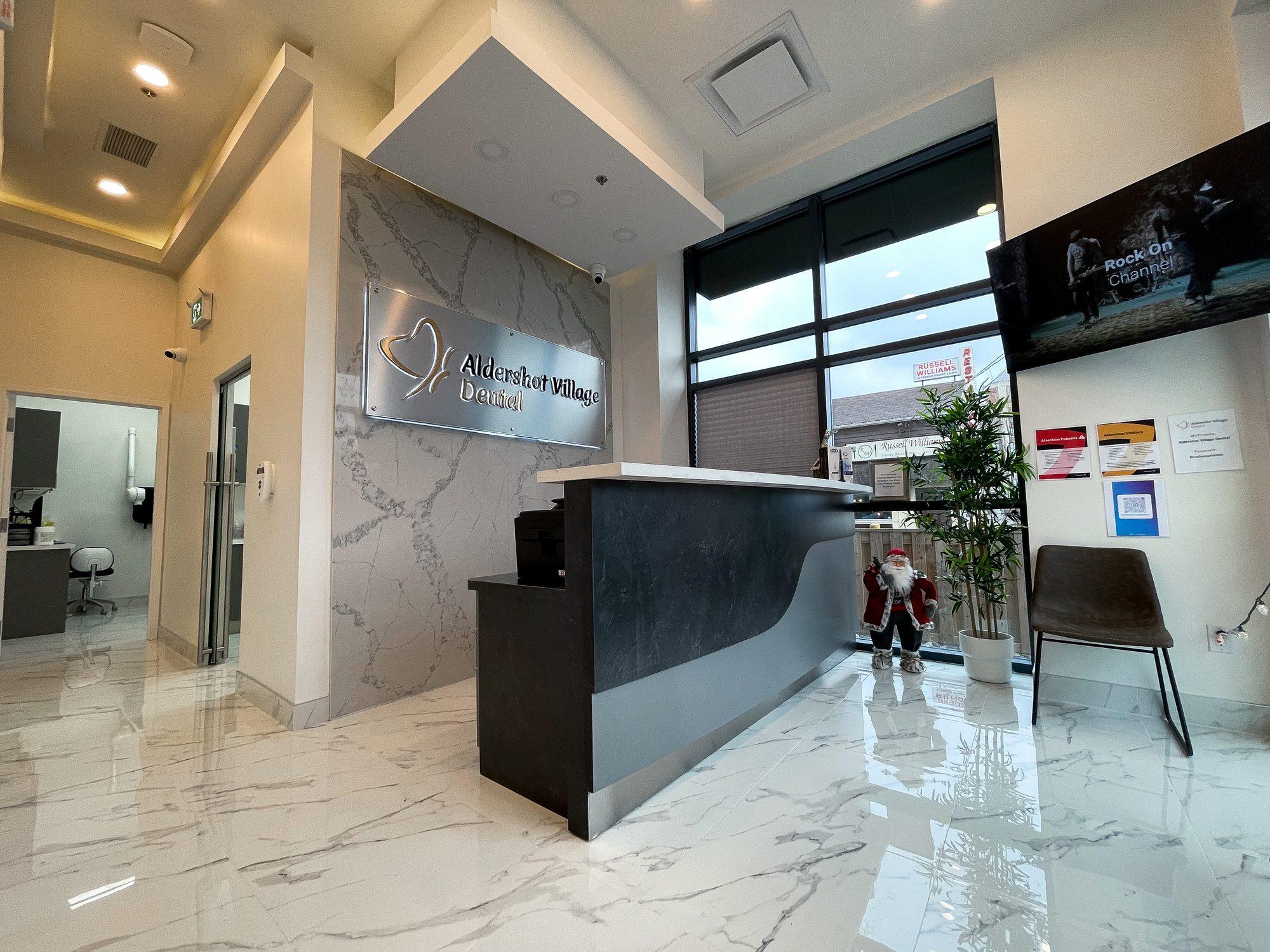
Aldershot Village Dental reception area

Book an Orthodontic Consultation in Aldershot

If you are concerned about crooked teeth, crowding, gaps, or the way your teeth come together, an orthodontic assessment is a good place to start.

Contact Aldershot Village Dental to book an orthodontic consultation in Aldershot, Burlington and learn which treatment options may be appropriate for you or your child.

Frequently Asked Questions About Orthodontics

What Is Orthodontics?

Orthodontics is a dental specialty focused on preventing and correcting problems involving tooth alignment and malocclusion, which means an improper bite.

What Is the Difference Between a Dentist and an Orthodontist?

Dentists provide general oral healthcare and may provide certain orthodontic treatments. An orthodontist is a dentist who has completed additional postgraduate specialty education focused on orthodontic diagnosis and treatment.

Can Adults Get Orthodontic Treatment?

Yes. Teeth can be moved at any age, provided your oral and dental health is suitable for treatment.

What Age Should My Child Have an Orthodontic Assessment?

The Canadian Association of Orthodontists recommends that every child see an orthodontic specialist by age seven. An early assessment does not necessarily mean treatment will begin immediately.

Can Orthodontics Fix Crowded Teeth?

Orthodontic treatment can be used to address many types of tooth crowding. The appropriate approach depends on the amount of available space, tooth positions, jaw relationships, age, and other individual factors.

Can Orthodontics Correct an Overbite or Underbite?

Certain overbites, underbites, crossbites, open bites, and other malocclusions can be treated orthodontically. More complex jaw relationships may require specialist assessment or other treatment in addition to orthodontics.

Are Clear Aligners an Option for Everyone?

No. Clear aligners can treat many orthodontic concerns, but they are not the best option for every type of tooth movement or bite problem. A dental or orthodontic assessment is required to determine whether they are appropriate.

Will I Need a Retainer After Orthodontic Treatment?

Retainers are commonly required following active orthodontic treatment because teeth can move over time. Long-term retention helps maintain the new tooth positions.

How Much Does Orthodontic Treatment Cost in Aldershot?

Cost depends on the treatment method, complexity of the orthodontic problem, expected treatment duration, and whether specialist care is required. An assessment is necessary before an individualized treatment plan and estimate can be provided.

Call nowBook